


In nearly three decades of working with artists and collectors, I've observed an overlooked—yet remarkably effective—factor in successful art sales: personal connection. In our world of algorithms, viral posts, and global art fairs, it's tempting to believe you need mass attention or glamorous marketing to build your business. But for most working artists, forging genuine relationships still outpaces flashier strategies.
Let me offer some context from the gallery side. I've watched strong, sustained sales emerge from artists who deliberately cultivate personal connections with their collectors, their galleries, and even other artists—not just those chasing larger numbers on social channels. Whether you show in well-known galleries or in less-famous venues, the direct engagement you have with buyers can make all the difference.
Personal Connection In Practice
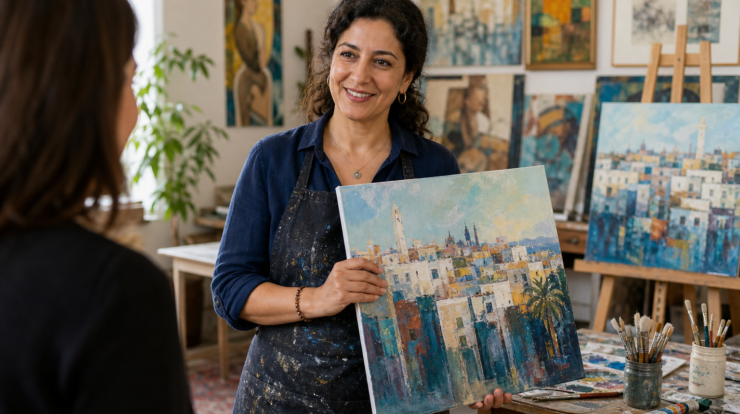
Recently, one of the artists I represent experienced a dramatic turnaround after a dry spell. Instead of overhauling her style or pouring more hours into social media, she doubled down on outreach: revisiting old contacts, writing sincere handwritten notes to past collectors, and inviting people personally to her open studio. The result? Her sales rebounded strongly, and even a small, local show led to multiple major acquisitions. None of this was due to viral exposure—it was the outcome of authentic, face-to-face (or person-to-person) connection.
I've witnessed this lesson repeatedly, both inside and outside the gallery. The numbers show that the majority of original works are still sold through direct interaction—whether it's a handshake at a local show, a thoughtful email following up on a studio visit, or a memorable conversation at a gallery event. Art, after all, is deeply personal. When collectors feel a bond with the artist or the story behind the work, they're far more likely to make a purchase—and to come back for more.
This doesn't mean that marketing, technology, or efforts to broaden your exposure are unimportant. Rather, don't lose sight of the fact that, for most artists, massive scale is a mirage. Trying to appeal to "everyone" often waters down both your message and your motivation. Instead, focus on deepening the handful of relationships that actually drive your business.
Does This Mean I Should Abandon Online Promotion?
Not at all. Social media and your website can be outstanding tools to introduce your art—but they almost always work best when you use them to add depth to personal connections, rather than just broadcasting to the faceless crowd. For example, when a new collector acquires one of your pieces, a heartfelt note or personalized studio update can do more to build loyalty than a perfect Instagram post.
Practical Steps to Build Real Connections:
- Invite past buyers to attend your next show, personally.
- Send a brief, genuine update note to past collectors or contacts (not a generic newsletter).
- Spend time at events listening as much as you speak—learn why a collector is drawn to your work.
- When following up online, reference a meaningful detail from your last interaction.
The Takeaway
Don't be discouraged by headlines about a tough or changing art market. The most important variable for most artists isn't some hidden trend or mass exposure—it's your ability to create and nurture personal, emotional ties with those who appreciate your art. It's time to invest as much energy in these one-to-one relationships as you do in your next social media push.
Question for Readers:
What's been your most memorable personal connection leading to a sale? How do you keep those relationships alive?

So true. My best collectors are people I am in touch with personally.