


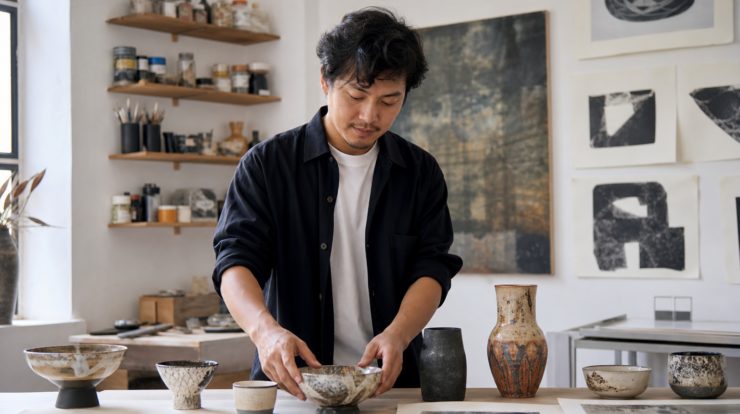
Myth: Only Mainstream Art Mediums Sell
If you work in ceramics, printmaking, sculpture, or even a less familiar painting style, you’ve probably asked yourself: _Is there really a market for what I do?_ The art world’s conventional wisdom seems clear—oil paintings and large canvases dominate. Anything else? Too difficult. Too obscure. Not enough buyers. Isn’t that just the hard truth?
Let’s take a closer look, because this idea is more myth than reality.
The Reality—There Are Buyers for Every Medium (But You Must Find Them)
Having worked with hundreds of artists in nearly every material imaginable, I’ve seen the art market is far broader than many believe. In fact, we’re in the most diverse and accessible era for art sales ever. While some channels favor mainstream oil painting and photography, there are avid collectors for everything—bronze, ceramics, pastel, encaustic, mixed media, serigraphs, you name it. True, the markets for niche work may be smaller and more concentrated, but the demand is genuine.
A few realities I see as a gallery owner:
- Some of our quickest sales have been of hand-pulled prints and small-batch ceramics to collectors who are specifically seeking them.
- More than once, an artist in an unusual medium turned a dull year around by finding a new region, gallery, or audience hungry for their work.
- Even slow sales don’t mean _no_ sales. They often mean it’s time to expand your reach or educate the next group of collectors.
The Trap of Scarcity Thinking
A big danger in believing your medium isn’t “marketable” is that it leads to hesitation or even paralysis: an artist slows their production, or experiments endlessly, or shifts styles too abruptly. I’ve seen talented artists nearly walk away from a hard-won and unique voice because a few venues told them their work was “difficult to place.”
The problem isn’t usually the medium—it’s either low volume or mismatched venues. In almost every example I can cite, a renewed commitment to the studio (and a bold approach to new venues) leads to fresh opportunities and sales, even in unexpected places.
Niche Markets: Small But Mighty
Let’s be candid—not every gallery will know how to sell your kind of work. Some will pass simply because it’s outside the mainstream. But here’s a counterintuitive truth: Niche collectors tend to be fiercely dedicated when you find them. They’re looking for originality. They love discovering something few others collect. For example, several of our most loyal gallery clients collect nothing but small-run prints or ceramic vessels. You could show them a prized oil and they’d just say, “Lovely, but it’s not for me.”
A Few Practical Approaches
- Research, then reach out. Identify galleries, fairs, and online platforms that have a track record selling your medium. Don’t limit yourself to only your local options.
- Show up with confidence. Educate venues (and buyers) about what makes your work and process distinctive—many need that context.
- Diversify your venues. Don’t bet on one space, region, or co-op. Spread your efforts and see what sticks.
- Create consistently. The more work you have on hand, the easier it becomes to jump on new opportunities, respond to interest, and avoid the cycle of self-doubt.
Takeaway
Nearly every artist—beginner to pro—faces doubts about whether their focus is “marketable.” The reality is most media have passionate audiences somewhere; the challenge is finding them and building those connections over time. Don’t let scarcity thinking shrink your studio practice. Better to double down, learn more about your tribe of collectors, and approach the process with persistence.
What’s your experience selling art in a niche medium? How have you connected with buyers or galleries that appreciate what you do? Leave a comment below—let’s share ideas and encouragement.

As always, good advice. I’m doing an outdoor (shudder ) art fest next week. It’s the third year I’m doing it. First year was good, second year was pitiful. I have an entire new body of work for this event, and I feel positive.
Interesting that with all the “non-mainstream” examples of art media in the article, never once was textile art mentioned. Is it that really far from being “desirable”? Many major museums are exhibiting textile art as a viable form of fine art. Yet……
For years my inspirations came from the flora and fauna of the Chiricahua Mountains in southeastern Arizona. I would sculpt my pieces from clay and bring them back to my studio to glaze and fire, then place them in the local gallery and the Desert Museum. This was also where my collectors visited and lived.